

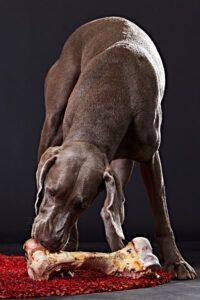
Dogs like to chew, at least most of them, we know that. But it is not only an important pastime, but also and above all dental care. It is important that the chews are not too hard (no weight-bearing bones, horns or the like). Of course, it would be best to have raw meat bones on the menu or recreational bones as well. If this is not possible, there are alternatives, such as dried skins or coffee wood.
Studies on the benefits of chewing
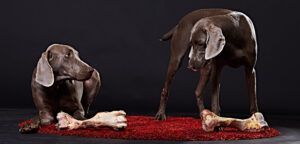
Several studies demonstrate the importance of chewables and confirm the cleansing effect of chewables:
- 𝘔𝘢𝘳𝘹, 𝘔𝘢𝘤𝘩𝘢𝘥𝘰, 𝘗𝘦𝘻𝘻𝘢𝘭𝘪, 𝘔𝘢𝘳𝘤𝘰𝘭𝘭𝘢, 𝘒𝘦𝘴𝘴𝘭𝘦𝘳, 𝘈𝘩𝘭𝘴𝘵𝘳ø𝘮, 𝘛𝘳𝘦𝘷𝘪𝘻𝘢𝘯: «𝘙𝘢𝘸 𝘣𝘦𝘦𝘧 𝘣𝘰𝘯𝘦𝘴 𝘢𝘴 𝘤𝘩𝘦𝘸𝘪𝘯𝘨 𝘪𝘵𝘦𝘮𝘴 𝘵𝘰 𝘳𝘦𝘥𝘶𝘤𝘦 𝘥𝘦𝘯𝘵𝘢𝘭 𝘤𝘢𝘭𝘤𝘶𝘭𝘶𝘴 𝘪𝘯 𝘉𝘦𝘢𝘨𝘭𝘦 𝘥𝘰𝘨𝘴»
This study investigates whether raw beef bones as a chewing material can help reduce tartar in beagles. In one experiment, a group of beagles were regularly given raw beef bones to chew on and changes in tartar formation were observed. The results showed that dogs that regularly chewed these bones showed a significant reduction in tartar. The mechanical effect of chewing appears to reduce plaque and tartar accumulation. The authors believe that raw bones are a natural alternative for cleaning teeth without the use of chemicals or artificial agents.
- 𝘎𝘰𝘳𝘳𝘦𝘭, 𝘞𝘢𝘳𝘳𝘪𝘤𝘬, 𝘉𝘪𝘦𝘳𝘦𝘳,: «𝘌𝘧𝘧𝘦𝘤𝘵 𝘰𝘧 𝘢 𝘯𝘦𝘸 𝘥𝘦𝘯𝘵𝘢𝘭 𝘩𝘺𝘨𝘪𝘦𝘯𝘦 𝘤𝘩𝘦𝘸 𝘰𝘯 𝘱𝘦𝘳𝘪𝘰𝘥𝘰𝘯𝘵𝘢𝘭 𝘩𝘦𝘢𝘭𝘵𝘩 𝘪𝘯 𝘥𝘰𝘨𝘴»
This study investigated the effect of a new chew on periodontal health in dogs. The aim was to find out whether chewing this special product can help reduce tartar and promote dental health. The results showed that dogs that chewed this product regularly had better gum health and less tartar build-up. The mechanical cleaning action of chewing appears to play a key role in tartar reduction and gum improvement. The authors conclude that dental chewing could be a useful adjunct to dental cleaning in dogs. There is also evidence from other studies that chewing can be an important and beneficial activity for dogs (or other animals):
- 𝘒𝘰𝘪𝘻𝘶𝘮𝘪, 𝘔𝘪𝘯𝘢𝘮𝘪𝘴𝘢𝘸𝘢, 𝘚𝘢𝘴𝘢𝘨𝘶𝘳𝘪, 𝘖𝘯𝘰𝘻𝘶𝘬𝘢, 𝘚𝘢𝘵𝘰, 𝘖𝘯𝘰: «𝘊𝘩𝘦𝘸𝘪𝘯𝘨 𝘳𝘦𝘥𝘶𝘤𝘦𝘴 𝘴𝘺𝘮𝘱𝘢𝘵𝘩𝘦𝘵𝘪𝘤 𝘯𝘦𝘳𝘷𝘰𝘶𝘴 𝘳𝘦𝘴𝘱𝘰𝘯𝘴𝘦 𝘵𝘰 𝘴𝘵𝘳𝘦𝘴𝘴 𝘢𝘯𝘥 𝘱𝘳𝘦𝘷𝘦𝘯𝘵𝘴𝘱𝘰𝘴𝘵𝘴𝘵𝘳𝘦𝘴𝘴 𝘢𝘳𝘳𝘩𝘺𝘵𝘩𝘮𝘪𝘢𝘴 𝘪𝘯 𝘳𝘢𝘵𝘴»
This study shows that chewing in stressful situations can calm the sympathetic nervous system and reduce the risk of stress-induced cardiac arrhythmias. In rats that were able to chew during stressful situations, the activity of the sympathetic nervous system, which is responsible for typical stress reactions such as increased heart rate and blood pressure, was reduced. Therefore, it seems that chewing not only relieves the feeling of stress, but also protects the heart.
- 𝘋𝘰̈𝘳𝘪𝘯𝘨, 𝘒𝘦𝘵𝘵𝘦𝘳, 𝘒𝘭𝘪𝘮𝘢, 𝘒𝘶̈𝘤𝘩𝘦𝘯𝘩𝘰𝘧𝘧, 𝘋𝘰𝘣𝘦𝘯𝘦𝘤𝘬𝘦𝘳, 𝘚𝘤𝘩𝘮𝘪𝘥𝘵, 𝘌𝘳𝘩𝘢𝘳𝘥: «𝘏𝘰𝘳𝘯 𝘰𝘧 𝘤𝘢𝘭𝘧 𝘩𝘰𝘰𝘷𝘦𝘴 𝘢𝘴 𝘤𝘩𝘦𝘸𝘴 𝘪𝘯 𝘭𝘢𝘣𝘰𝘳𝘢𝘵𝘰𝘳𝘺 𝘥𝘰𝘨𝘴»
The study by Döring et al. investigated whether calf’s hooves as a natural chewing material can support dental health and well-being in laboratory dogs. The researchers observed how the dogs chewed the calf’s hooves and what effects this had on dental hygiene and chewing behaviour. The results showed that the dogs accepted the material well and that chewing the hooves could promote dental health through mechanical cleaning. The study suggests that calf’s hoof as a natural chewing material could be a useful alternative to conventional chewing products to support the well-being of dogs. On the website of dog trainer Borja Comás you will also find a very interesting article on the subject and its importance for behaviour: https://www.educacioncaninaconempatia.com/masticables-para-perros/ Conclusion: Gnawing is very important. In our shop you can find all kinds of chews and we also have raw bones for all sizes and types of dogs.
How can I find healthy chews and sweets?
There are so many treats and chews on the market today for our pets. What we often fail to take into account is that some of them can be unhealthy and even harmful. We look for biologically appropriate dog/cat food, we spend a lot of time researching to find the most natural foods, but when it comes to treats or chews, we eagerly buy little red hearts or green chew sticks. In principle, it is great to give our dogs or cats treats and chews for their well-being, but we should be aware of their quality and origin. For example, the famous cowhide bone chews, unfortunately we cannot know if they come from Asia and/or if they have been treated with chemicals. In European legislation it is not necessary to indicate the actual country of manufacture on the labelling, but only where it was packaged. It may say that it comes from Europe, but it was not manufactured here. It should be noted that some of these leathers come from leather production in the textile industry. These products are often treated with chemicals. Sometimes they are dyed or starches are used to bind them. This can be harmful to animals with allergies or intolerances. Other chews, such as dental sticks, or other types of treats, can be full of unsuitable and potentially harmful ingredients for our animals.
Example of tooth cleaning sticks: Cereals, vegetable by-products, minerals (including 2.3% sodium tripolyphosphate), meat and animal by-products, vegetable protein extracts, oils and fats. Nutritional additives: Vitamin E (1365 mg/kg), zinc [sulfato de zinc heptahidratado] (190 mg/kg). Sensory additives: Chicken flavour: 45,9 mg/kg. With this list of components we cannot really know what it contains. This is totally unsuitable, especially for allergic animals. It can cause irritation, diarrhoea or other problems. More importantly, how can cereals clean teeth? We know that carbohydrates are converted into sugar and this is the least suitable for teeth. Moreover, this product is flavoured with chemicals. Another example: Chicken breast (61%), potato starch, soya protein, minerals, glycerine. The soya protein may come from genetically modified soya and does not need to be indicated on the labelling either. In addition, minerals and glycerine are used to preserve the product. It would be necessary to indicate which minerals are involved, as zinc or copper can be toxic in large quantities. Glycerine is used to preserve products and is considered a sweetener. It has up to 11% more calories per gram than white sugar. Glycerol is obtained by saponification, and depending on the quality of the glycerol, it may still contain soap residues. And we should know that cats do not perceive sweetness. That means that it makes no sense to sweeten anything for them. Semi-moist products (wrongly called natural between 18-30% moisture) need much more preservatives, because otherwise they get mouldy very easily.
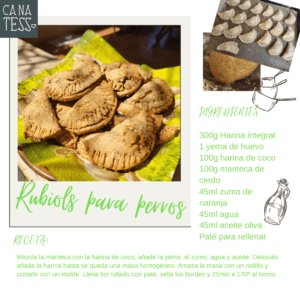
So how can I find suitable treats for my dog or cat?
First of all, look at the ingredients and ask yourself where the product comes from and how much it costs. A dehydrated chicken breast for €1-2 per kilo is not possible nowadays at the current price of meat. Meat loses 50-75% of its weight when it is dried. This means that if chicken breast costs 5 euros per kilo in the supermarket, dried chicken breast cannot be cheaper, but must cost at least 20 euros per kilo. It is best to use air-dried, guaranteed European-produced prizes. They are not coloured with artificial colouring, pressed or chemically treated. If you don’t like this, you can bake the treats yourself or dry them in a dehydrator. In our shop you will find air-dried treats and chews from Europe, and on our Facebook or YouTube Channel you will find recipes for homemade treats. If you have any questions about our products, please do not hesitate to contact us for advice.



0 Comments